
Jet Casino: Setting and changing deposit limits on your account

Jet Casino: Account Access, Deposit Limits and What to Check Before You Play
Jet Casino operates as a digital gambling platform, but its practical utility for a UK player depends entirely on verifying regulatory status and account controls before funding. Access requires logging in to the specific operator portal, not a generic aggregator, ensuring that personal data and transaction history remain isolated within that service boundary.
Deposit limits function as a mandatory safety feature under strict UK Gambling Commission rules, designed to curb impulsive spending rather than facilitate it. A player must locate these settings within the responsible gambling menu of their account dashboard to set daily or monthly caps. Without this configuration active, the platform defaults to standard risk profiles, leaving no automatic barrier against excessive wagering.
See also:
- Signing in and recovering a forgotten password
- jet casino: mobile access
- Setting and changing deposit limits on your account
- Casino games and sport betting under one login
- Jet Casino: quick answers
- Playing safely at Jet Casino
Signing in and recovering a forgotten password
Separating registration credentials from profile handles
Access to a Jet Casino account depends on the specific identifier recorded during registration, not the nickname displayed in-game. Many players mistakenly enter their chosen handle into the login field, assuming it serves as the primary key for authentication. It does not. The system validates against the email address or telephone number provided when the account was created. This distinction is critical because the backend database indexes users by contact details, while the display name remains a cosmetic label visible to other participants in tournaments online. If a sign-in attempt fails despite correct password entry, check whether the username field contains the registered contact detail rather than the profile alias. Using the wrong identifier triggers a credential error that looks identical to a forgotten password issue. Confirming which of the two potential identifiers was used at signup resolves this common confusion before proceeding to more complex recovery steps.
Executing the automated reset sequence
Once the correct identifier is confirmed but the password remains unknown, the ‘Forgot Password’ function initiates a verification loop. The system dispatches a distinct verification token to the email address or mobile number linked to the account. The player must have active access to this channel; if the inbox is inaccessible, the automated path ends here. Security filters often divert these tokens to spam folders, so inspecting secondary mail categories is a necessary first action after requesting a reset. A single request is sufficient; rapid successive attempts may trigger anti-abuse delays, extending the time required to receive the code. The system verifies ownership of the contact method to prevent unauthorised takeover. Upon receipt, the token allows the creation of a new password. This process relies entirely on the integrity of the registered contact point, making it essential to keep those details current within the account settings whenever possible.
Escalating to manual identity confirmation
When the registered email or phone number is no longer under the player’s control, automated recovery becomes impossible. In such cases, restoring access requires manual intervention through customer support channels. The operator mandates proof of identity to verify ownership, typically requiring government-issued documentation that matches the personal data supplied at registration. This step safeguards funds and prevents fraudulent access by third parties who might possess the old contact details. While response times vary based on operational load, the requirement for verified identity remains constant across all similar situations. Submitting clear, legible copies of the requested documents accelerates the review process. Compliance teams examine these submissions to confirm the user’s legitimacy before issuing instructions for setting a new password. This route ensures that legitimate access is restored even when digital contact channels are broken, maintaining security protocols without compromising the player’s ability to return to the platform.
jet casino: mobile access
How does access to Jet Casino work on a phone?
| Brand | Details |
|---|---|
| jet casino | No UKGC protection; accessible via app or browser on multiple devices. |
Accessing Jet Casino requires understanding its regulatory status. It holds a Curaçao permit rather than UK Gambling Commission authorization. Consequently, British users cannot appeal to the UKGC for assistance. The site provides iOS and Android apps alongside browser play, featuring slots, live dealer tables, and crash games under one account.
Such a snapshot clarifies where each provider meets or misses specific expectations regarding reliability and access.
Setting and changing deposit limits on your account
Locating the Control Panel
Deposit limits are typically found within the responsible gambling section of your account dashboard, often nested under privacy or security settings. This location separates financial controls from game selection and bonus activation, ensuring that spending caps are managed as a distinct administrative task rather than a gameplay feature. If you cannot immediately locate this menu, it usually requires navigating through profile icons or dedicated safety tabs rather than standard payment interfaces.
The interface design reflects a deliberate choice to keep these controls accessible but separate from the primary gaming area. Placing them in a settings menu prevents accidental changes during active play, while keeping them visible enough for regular review. Some platforms group all player protection tools together, including self-exclusion options and time limits, whereas others split them across different sub-menus. Knowing where Jet Casino places its specific controls helps you establish a routine for checking your status before each session.
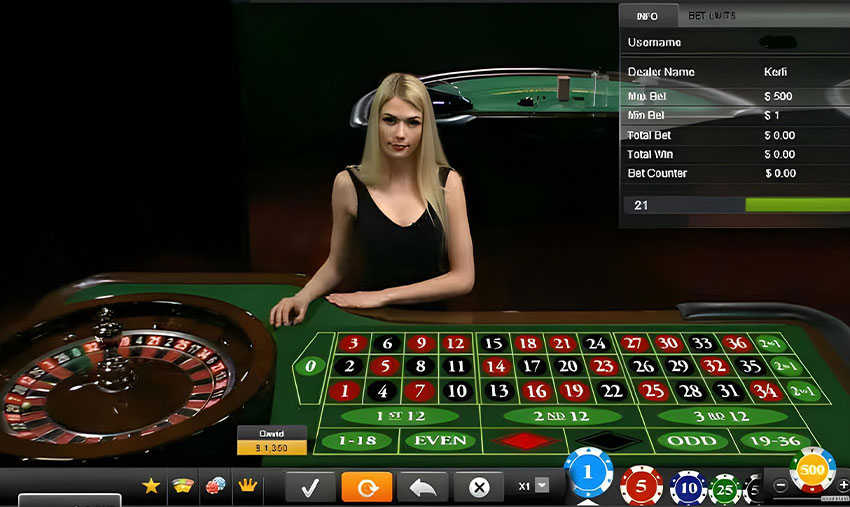
highbet casino live games, providers and table mechanics overview
The Mechanics of Adjustment
Changing these thresholds involves specific verification protocols depending on the direction of the adjustment. Lowering a limit is generally an immediate action; once you set a new ceiling for daily, weekly, or monthly deposits, the system enforces it instantly to prevent further funding beyond that point. Raising or removing a limit, however, rarely takes effect without delay. Most platforms impose a mandatory cooling-off period, often spanning twenty-four hours or more, during which the previous restriction remains active. This time lag serves as a safeguard against impulsive decisions made while in the heat of play.
The asymmetry between lowering and raising limits is intentional. It acknowledges that players may need to tighten their budget quickly if they feel control slipping, but should not be able to loosen restrictions in the same moment of emotional vulnerability. When you request an increase, the system effectively freezes your current state until the waiting period expires. You must plan ahead if you anticipate needing higher access later, because last-minute adjustments will not bypass this friction. This structural barrier turns a potential impulse into a considered decision.
Interaction with Funding Methods
It is crucial to understand how these internal caps interact with external deposit methods. A limit set within the casino interface applies to the total value transferred into your gaming balance, regardless of whether you use a debit card, e-wallet, or prepaid voucher. However, the limit does not control the transaction fees charged by your payment provider, nor does it override the maximum transaction amounts imposed by those providers themselves. Consequently, if your chosen funding method has a lower individual transaction cap than your account limit, the provider’s restriction becomes the effective bottleneck. Conversely, setting a low account limit ensures that even high-cap payment methods cannot exceed your designated budget.
This interaction creates a layered defence. Your bank or e-wallet provider sets one boundary based on their own risk assessments or product tiers, while the casino sets another based on your personal preferences. The strictest of these two rules governs what actually reaches your account. If you rely solely on the casino’s setting, you might still encounter declines from your bank if you hit their external caps. Understanding this dual structure helps you diagnose why a deposit fails: check whether the block came from the platform’s internal counter or from the payment gateway itself.
Casino games and sport betting under one login
Combining sports betting and casino games under a single login simplifies account management, but it introduces specific considerations regarding how funds are segregated and how limits apply across different verticals. While the interface may present a unified dashboard, the underlying mechanics of wagering on live events versus spinning reels often operate in distinct environments with separate risk profiles.
Shared Wallet Mechanics and Balance Visibility
A primary concern for users is whether the balance displayed at the top of the screen applies to both sports markets and casino tables. In many integrated platforms, the main wallet holds funds available for immediate withdrawal or deposit, while dedicated sub-wallets may be used for active bets or ongoing game sessions. This separation prevents a situation where money staked on a long-term accumulator bet becomes locked away from being used for quick slot spins. However, if the platform uses a single pooled balance, any amount currently wagered on an open bet is effectively unavailable for other transactions until that bet settles. Understanding this distinction helps prevent failed transaction attempts when moving between sections. Users should observe whether their available balance changes instantly upon placing a bet or only after the market closes, as this indicates how the system manages reserved funds.
Limit Application Across Verticals
Deposit and loss limits set on the account level typically encompass all gambling activity, regardless of whether it originates from the sportsbook or the casino section. A daily loss limit of fifty pounds, for example, will trigger a block once the cumulative net losses across both verticals reach that threshold. This holistic approach ensures that responsible gambling controls remain effective even if a user switches between high-variance casino games and lower-variance sports bets throughout the day. It also means that time spent playing slots counts towards session duration limits just as heavily as time spent analysing match statistics. The benefit here is a consistent safety net; the trade-off is that heavy use of one vertical can restrict access to the other without additional manual adjustment. Players who prefer to keep strict budgets for different types of entertainment must manually track these expenditures, as the automated system aggregates them into a single total.
Navigation and Account Consistency
Using one login reduces the friction of managing multiple credentials, which can otherwise lead to security risks like password reuse across different sites. From a technical standpoint, maintaining a single profile ensures that identity verification documents uploaded during sign-up are recognised by both the sports and casino departments. This avoids repetitive requests for proof of address or age verification when switching between product areas. Nevertheless, the user experience may still feel disjointed if the two sections rely on different software providers with varying loading speeds or interface designs. Some platforms integrate these features seamlessly, offering a cohesive look and feel, while others simply link out to separate branded portals. Checking whether the transition feels native or external can give insight into how deeply the operator has invested in unifying the player journey.
Jet Casino: quick answers
Why might a withdrawal or deposit limit at Jet Casino differ from what I expected when I signed up?
Limits can change due to updated regulatory requirements or internal risk assessments applied to specific accounts. Your transaction history and verification status also influence available caps. Review your current settings in the responsible gambling section for accurate figures.
What should I do if the password reset email from Jet Casino never arrives?
Check your spam folder first, as automated messages often land there. Ensure you entered the exact email registered to the account. If nothing appears after a few minutes, request the link again or contact support to verify delivery issues.
How do I escalate an unresolved account or payment dispute with Jet Casino?
Start by documenting all relevant transactions and correspondence. Submit a formal complaint through the designated support channel, clearly stating the issue and desired resolution. If the operator fails to respond adequately, consider seeking assistance from independent dispute resolution services.
Playing safely at Jet Casino
Safety controls exist to limit loss, not to guarantee profit. Before funding a Jet Casino account, set deposit and time limits through the player dashboard. These settings apply across all games and sports betting within the single login. If spending or session length begins to feel unmanageable, use the site’s self-exclusion tools immediately. UK players can also register with GAMSTOP for broader protection across licensed operators. Free support is available via GamCare, BeGambleAware or the National Gambling Helpline on 0808 8020 133. Never chase losses; stop playing if control weakens.
incognito casino sister sites: account portability, withdrawal rules